
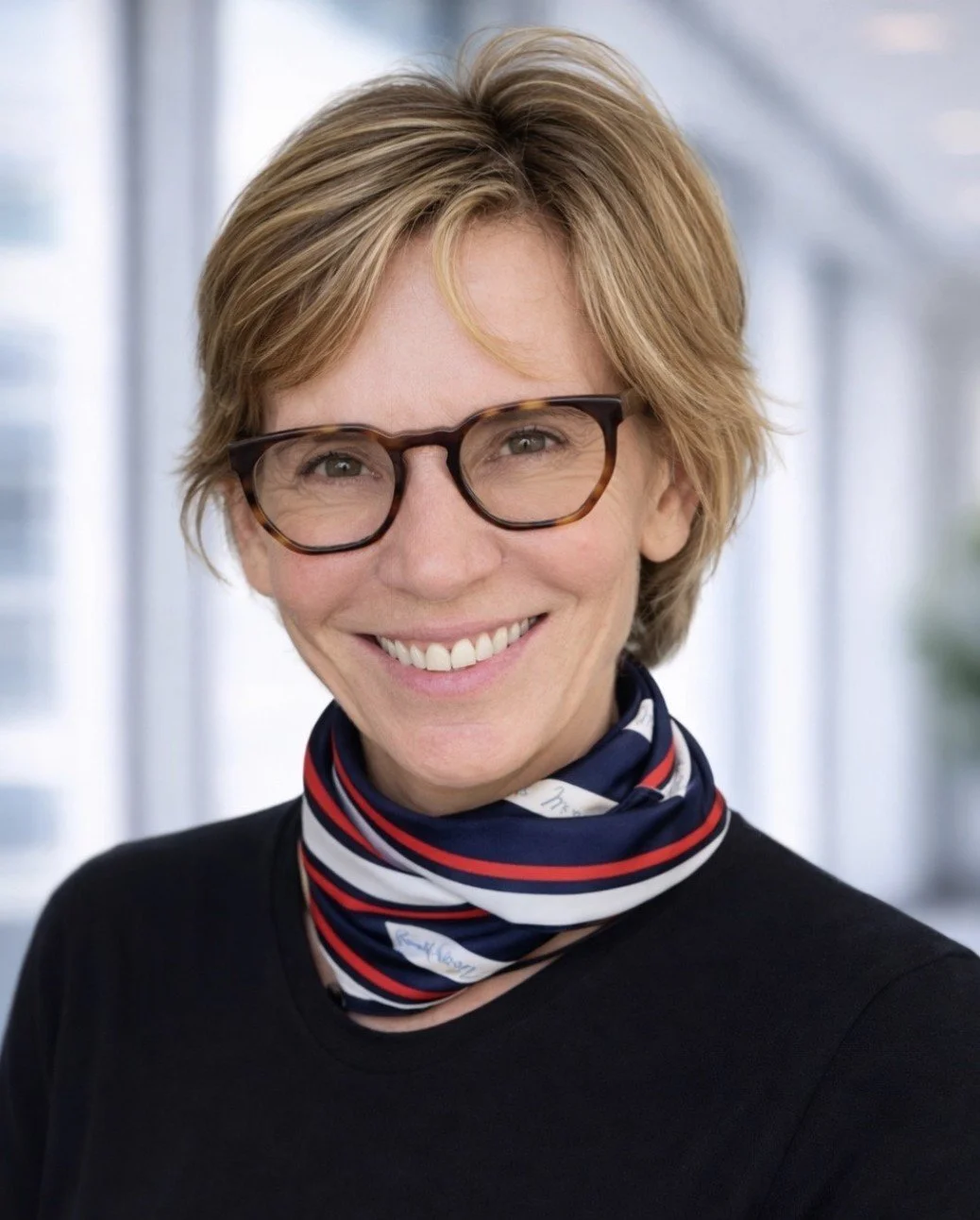
Sarah Stitt
Coach
Sarah Stitt has been a practicing painter and fine artist since the age of 17, having trained at the prestigious St. Martin’s School of Art in London. Over the course of her career, she has exhibited her work internationally, earning a distinguished reputation in London as a portrait and landscape painter.
Sarah’s connection to the recovery world began in her own teenage years, where she discovered firsthand the profound therapeutic value of processing emotion through art. After relocating to the United States in 2006, she transitioned into the field of substance abuse and mental health treatment in 2010, earning her CADC II certification. She went on to work as a counselor and Family Program Director — and it was through that work that a powerful realization took shape.
Sarah saw that she could weave her lifelong gifts as a painter and educator directly into her counseling practice. Art, she found, offered clients a remarkable way to explore identity, regulate emotions, build self-esteem, and express what words so often cannot reach.
Over the past 15 years, Sarah has worked as a group facilitator across many respected treatment facilities throughout Los Angeles, including Polaris, Launch Centers, La Fuente, and Hillcrest Recovery. Through this work, she has developed extensive experience with diverse populations, including LGBTQ communities, young adults navigating mental health challenges, and indigenous populations — bringing cultural sensitivity and deep human understanding to every group she leads.
At the heart of her approach is a simple but transformative idea: to invite clients to access a different part of the brain — one that communicates through image, texture, and sensation rather than spoken language. Rather than sitting in a traditional group setting, clients are encouraged to connect with their senses in the present moment, letting creativity become the vehicle for insight and healing.
Sarah incorporates a rich variety of mediums into her groups — printmaking, poetry, collage, and painting — guiding clients to let their art emerge in a stream of consciousness, free from judgment or expectation. Participants are gently encouraged to step outside their comfort zones, explore unfamiliar materials, and above all, stay in the process rather than fixate on the result.
Sarah’s invitation to every client is the same: approach the group as a space for play and experimentation. The most important thing, she believes, is simply to have fun — and to finally get what’s been trapped inside, out.
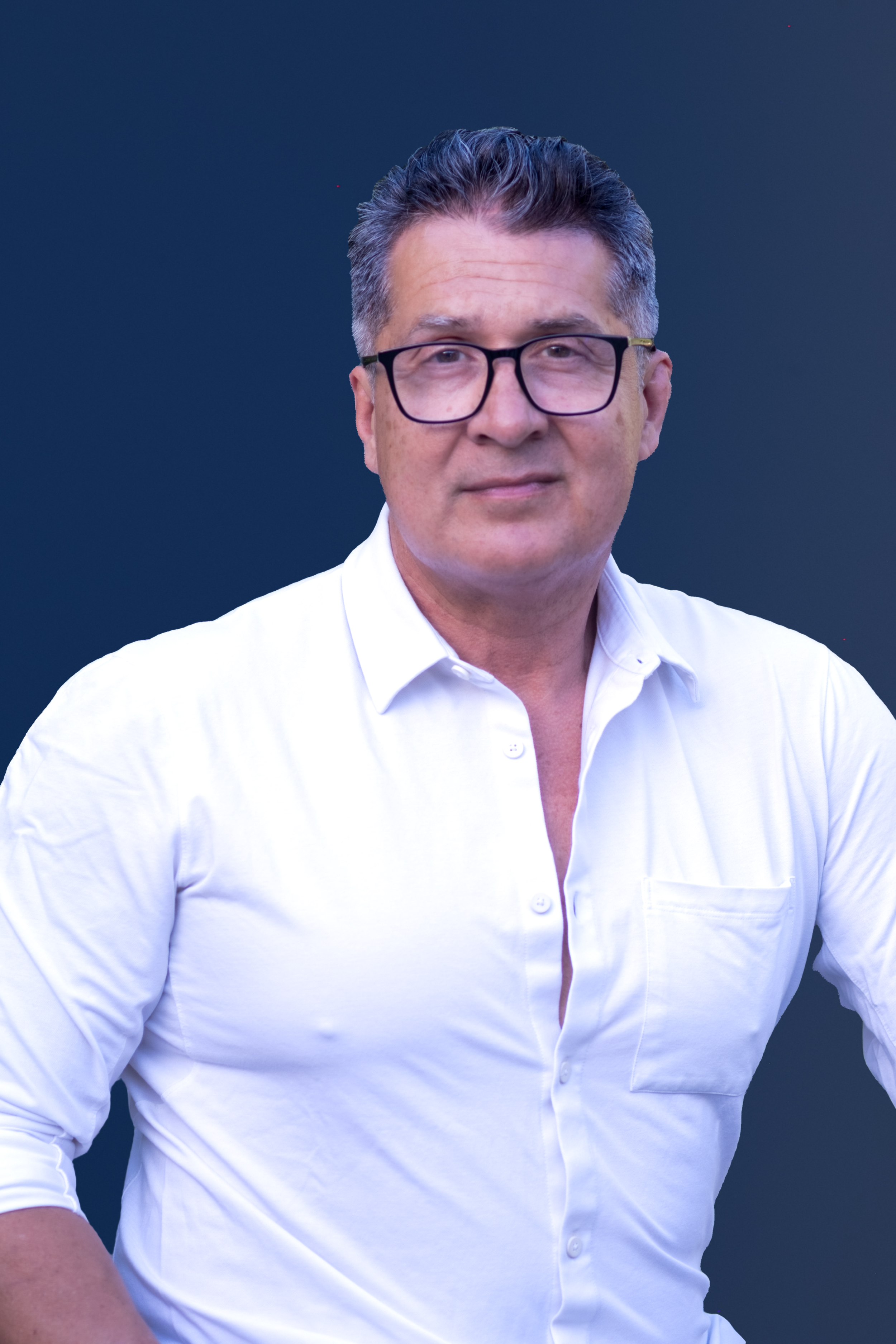
Stew Hartman-Mart
Dance/Movement Coach
Stew Hartman-Mart is a movement coach, dancer, and creative facilitator whose work centers on helping people reconnect with themselves and others through simple, accessible movement. With over three decades of experience across multiple dance styles and performance disciplines, he brings an approach that prioritizes presence, connection, and self-expression over performance or perfection.
His work is grounded in the understanding that the body naturally adapts to how it is used—and what is left unused. Over time, certain pathways of movement, awareness, and expression can become quieter, not because they are lost, but because they have not been needed. Through intentional, guided movement, Stew helps individuals gently reawaken those pathways, restoring a sense of access, connection, and possibility within the body.
At The Kintsugi Foundation, Stew is developing and implementing a movement-based syllabus designed to support individuals in recovery. His approach draws from his Connected Theory framework, integrating musically connected breath work, pulse, spinal movement, and body rhythm as foundational tools for self-awareness, emotional regulation, and interpersonal connection. Through simple, repeatable experiences, participants are invited to reconnect with areas of the body that may have gone quiet—creating space for awareness, choice, and, ultimately, personal expression.
Central to Stew’s philosophy is the belief that movement is not about getting it right, but about re-engaging with the process of decision-making. In that process, individuals begin to rediscover agency—learning not just how to move, but how to listen, respond, and find their own voice.
His work reflects the spirit of Kintsugi: that healing is not about returning to who we once were, but about building something new with awareness, intention, and compassion. He believes that even small moments of connection—through breath, rhythm, or shared movement—can become meaningful catalysts for transformation.
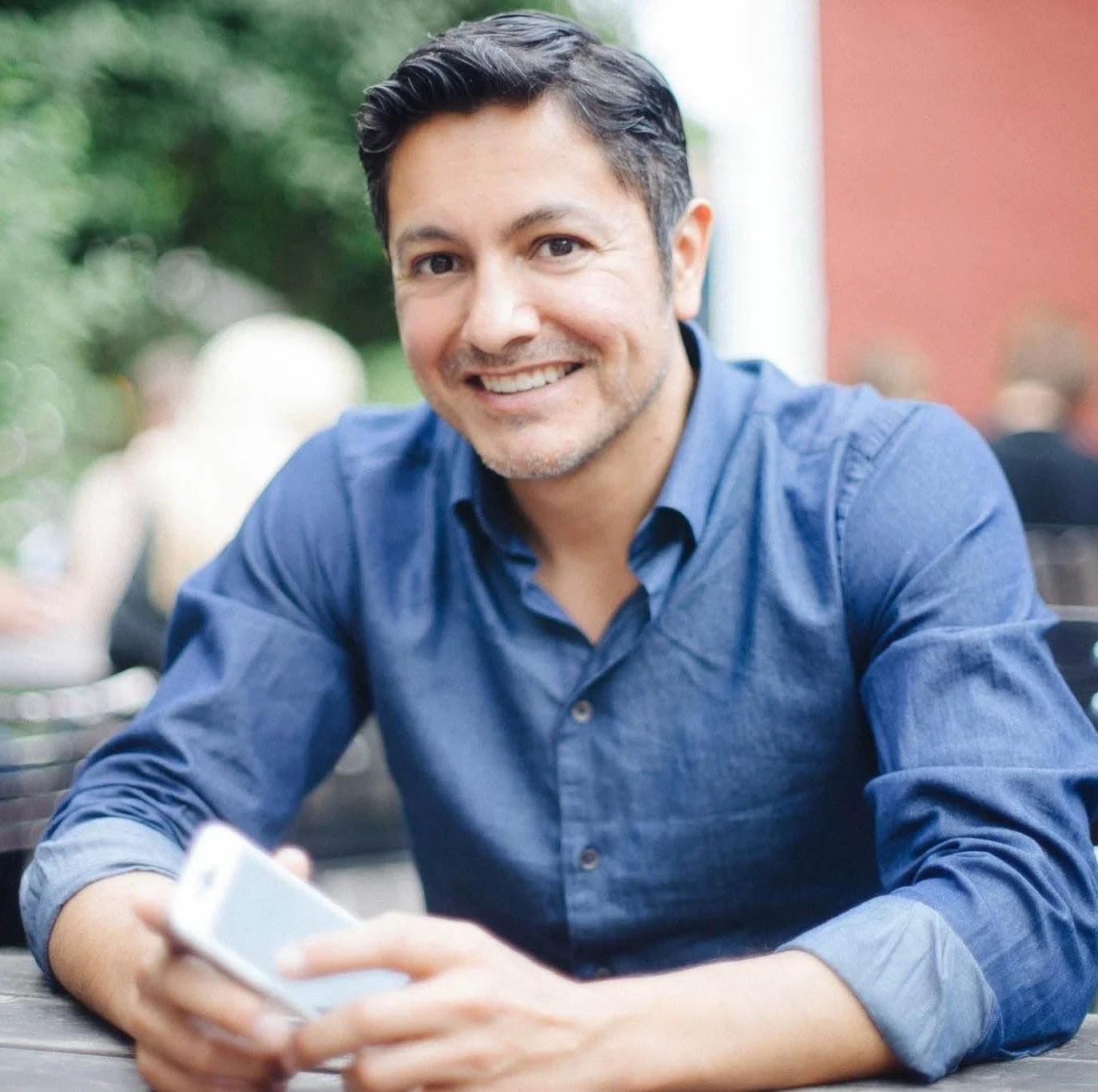
Marco Antonio Sariñana
Behavioral Coach
Marco Antonio Sariñana is a behavioral coach, educator, and creative mentor whose work focuses on the relationship between learning, confidence, and mental health. Through years of experience working with schools, hospitals, sober living facilities, community programs, and families, he has developed an approach centered on helping individuals identify and overcome fear-based behavioral patterns that interfere with personal growth and learning.
While serving as Director at Best Foot Forward, Marco specialized in teaching learning techniques through skill-based programs such as dance, photography, vocal instruction, and other creative disciplines. Through this work, he observed that emotional challenges, limiting beliefs, and behavioral patterns often emerge naturally when individuals pursue skills they are passionate about. Rather than focusing solely on technical instruction, his methods use the learning process itself as a framework for building self-awareness, emotional resilience, confidence, and behavioral change.
Although the specific skill being taught may vary depending on the organization or program, the underlying goal remains consistent: helping individuals recognize personal barriers, develop healthier behavioral patterns, and build the confidence necessary to move forward in their lives.
Today, Marco continues this work primarily with families and children as a behavioral coach, supporting individuals with behavioral and emotional challenges through structured guidance, mentorship, and personalized developmental strategies.
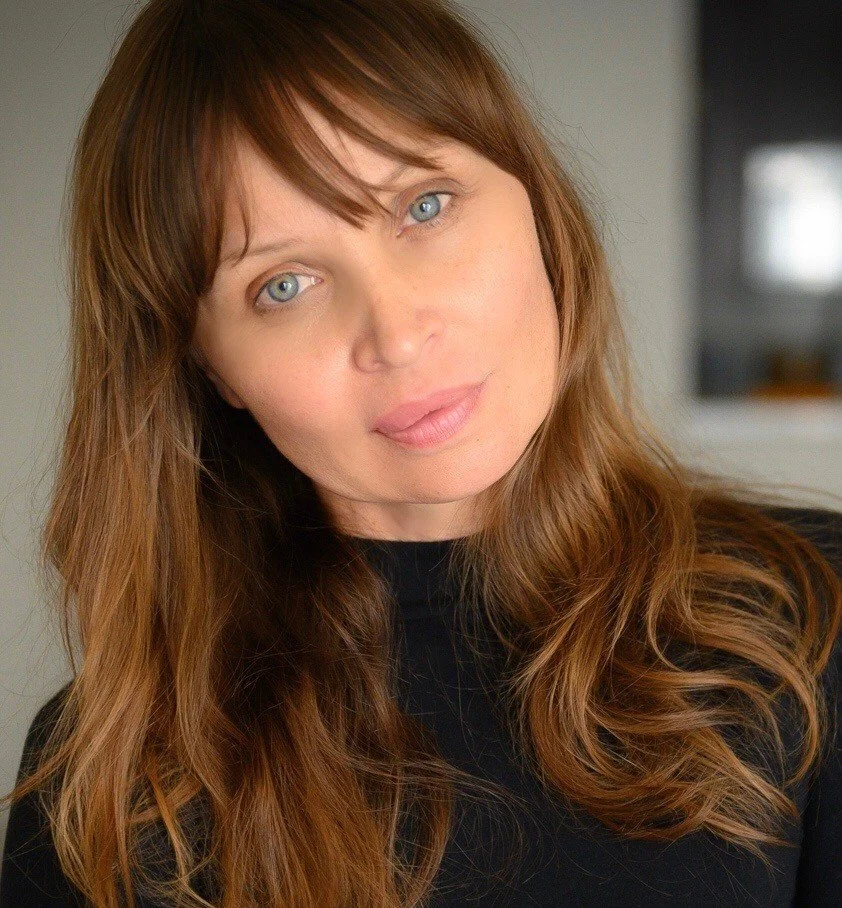
Ursula Vari
Somatic Healing Coach
Somatic Practitioner, Yoga Teacher & Sound Bath Facilitator or Facilitator of Somatic Healing, Yoga & Sound Baths, Women's Embodiment.
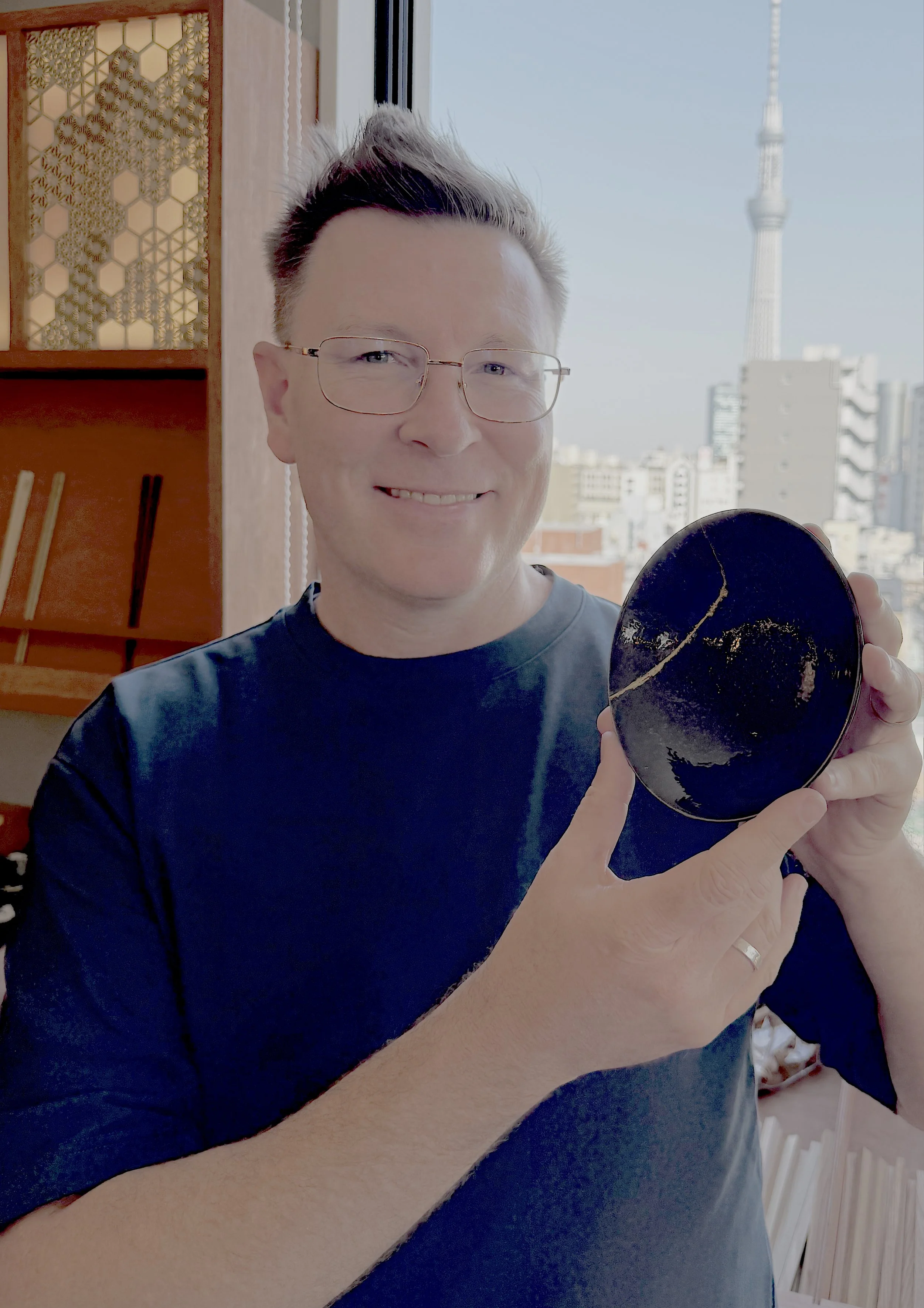
Jordan A. Y. Smith
Jordan A. Y. Smith leads poetry-based workshops and travel retreats for Casa Tendo and other out-patient programs around Los Angeles. He's taught literature, film and arts as a professor for two decades, and currently teaches Japanese studies at UCLA. As Executive Director for the non-profits, ABK (Always Be Kind) Way and The Center for Healthy Masculinity, and President of Casa Tendo, he witnesses daily how creative communication can put the joy of living into us as individuals and as communities.